
-

- No Comments
- January 12, 2026
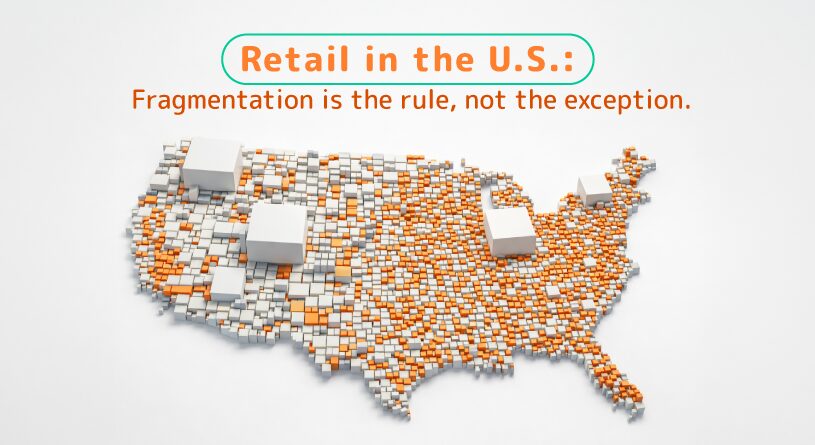
Why entering the U.S. market doesn’t start with major retail chains.
Why Major Chains Are Not Always the Best First Step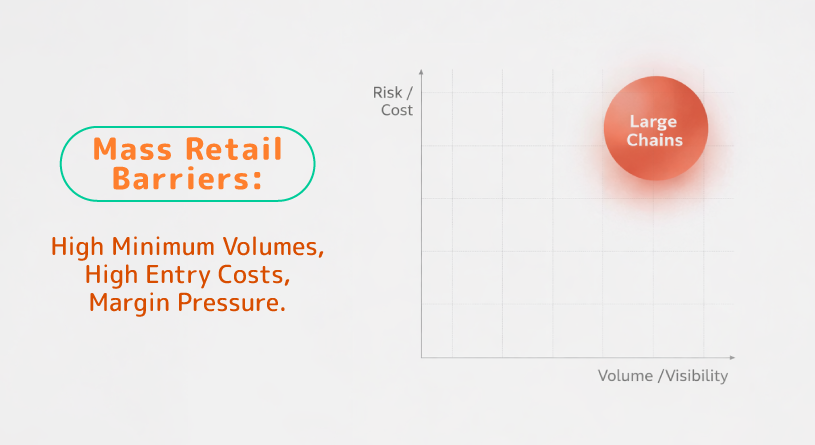
Major national chains offer visibility, but they also impose demanding conditions: high minimum order volumes, significant slotting fees, lengthy negotiation processes, and strong margin pressure. For brands that have not yet validated their performance in the U.S. market, these barriers can become a substantial financial and operational risk.
Entering a major chain without prior product validation can lead to rotation issues, delayed pricing adjustments, and logistical challenges that are difficult to correct once inside. In many cases, brands secure the agreement but struggle to sustain it over time.
The Strategic Value of Starting with Small and Regional Chains
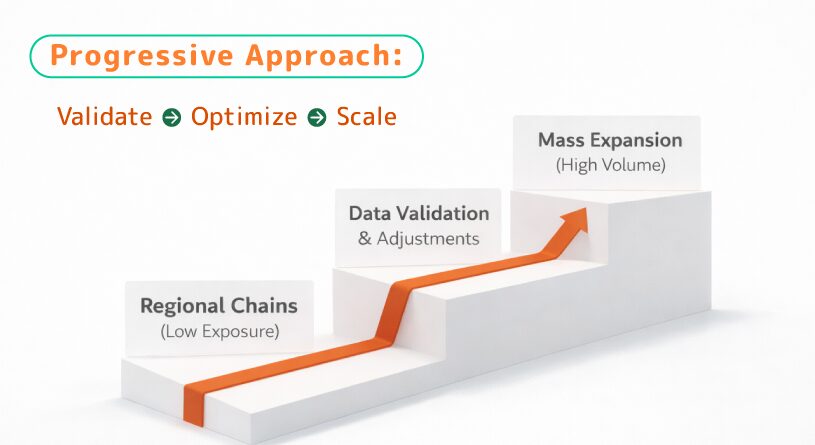
Small and mid-sized chains provide a far more flexible environment for an initial expansion phase. They allow brands to validate product acceptance, observe consumer behavior, adjust portfolios, and optimize value propositions with lower risk exposure. Additionally, negotiations tend to be faster and more relationship-driven, facilitating the development of solid commercial partnerships.
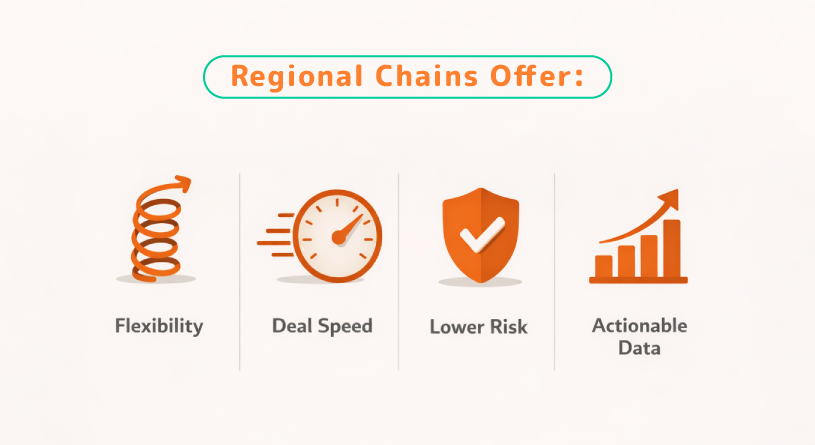
This progressive approach not only reduces initial costs but also generates real, actionable insights. Brands obtain concrete data on product rotation, seasonality, and market response — critical elements before considering large-scale expansion.
A Common Mistake: Confusing Visibility with Viability

One of the most frequent mistakes in international expansion is assuming that being present in a major chain automatically equals success. Visibility without rotation does not generate sustainable growth. Many brands discover too late that they were not prepared to operate under the demands of mass retailers.
Commercial viability is built on the ability to sustain consistent sales, not on the size of the first client. In this sense, small chains function as a controlled learning environment that strengthens the brand before more ambitious moves.
The 4 Benefits of Regional Chains
Entering the U.S. market is not a race to secure the largest chain first. It is a strategic process that requires understanding where real opportunities exist. The fragmented U.S. retail landscape offers multiple entry points for brands capable of analyzing and prioritizing them correctly. Starting with more accessible channels allows brands to grow with data, reduce risk, and build a strong foundation for future expansion.