
Complete Guide to Properly Label Products Manufactured in Mexico for Export to the United States

The labeling of Mexican products for export to the United States is a complex process that requires compliance with multiple U.S. regulations. Here is a detailed guide with the essential requirements:

1. General Country of Origin Requirements

Mandatory country of origin marking:

  • All foreign-origin products must include the country of origin in English.
  • It must be legible, conspicuous, and indelible.
  • Required format: “Made in Mexico” or “Product of Mexico”.
  • The marking must be applied before reaching the final consumer.

2. USMCA (T-MEC) Certificate of Origin

For products with preferential treatment:

  • Complete the USMCA Certificate of Origin.
  • Determine if the product qualifies as originating from Mexico.
  • Use reasonable marking methods: labels, stickers, paint, or engraving.

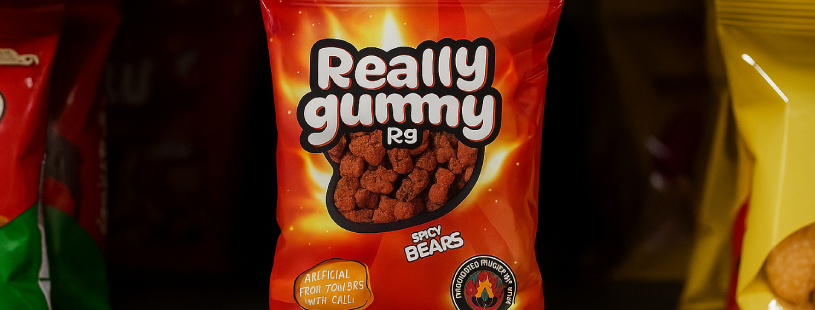
3. Specific Food Labeling (FDA)

FDA requirements for exporting food:

Principal Display Panel (PDP):

  • Identity statement (name of the food).
  • Net quantity in metric and imperial system.

Information Panel (right side):

  • Name and address of the manufacturer, packer, or distributor.
  • Ingredient list in descending order.
  • Detailed nutritional information.
  • Allergen statements.

Required Nutritional Information:

  • Calories, fats, cholesterol, sodium.
  • Carbohydrates, fiber, sugars, and proteins.
  • Vitamins and minerals with % Daily Value.

4. Specific Requirements by Product Type

  • Medical devices: FDA labeling, safety information, UDI marking.
  • Textiles: permanent care label, fiber content, country of origin.
  • Electronics: FCC certification, UL labels, voltage and frequency information.

5. Additional Required Documentation

  • Detailed commercial invoice.
  • Packing list.
  • Bill of Lading.
  • USMCA Certificate of Origin (if applicable).
  • FDA Prior Notice (for food).

6. Special Marking Regulations

Permitted marking methods:

  • Engraving, permanent stamping, adhesive labels, molding, indelible ink.

Marking location:

  • Must be visible to the final consumer.
  • Preferably on the product itself, not only on the packaging.

7. Important Considerations

  • Avoid false claims such as “Made in USA”.
  • FDA facility registration (renewal every 2 years).
  • Mandatory Prior Notice for food before shipment.

8. Consequences of Non-Compliance

  • Detention at port of entry.
  • Shipment rejection.
  • Fines and penalties.
  • Temporary import bans.

Practical Recommendations

  • Consult with international trade experts before exporting.
  • Review product-specific regulations.
  • Maintain updated documentation.
  • Work with a U.S. customs broker.
  • Conduct pilot shipments to avoid losses.

Proper labeling is essential for the success of Mexican exports to the United States. Even the smallest omission can cause costly delays, fines, or rejection at the border.

Conclusion

The proper labeling of products manufactured in Mexico for export to the United States is not only a legal requirement but also a key strategy to ensure shipment acceptance, consumer confidence, and success in international markets.

Complying with country of origin regulations, FDA, USMCA, specific certifications, and customs documentation helps avoid penalties, costly delays, and border rejections.

Companies that invest in a solid compliance process not only reduce risks but also strengthen their competitiveness in the U.S. market, one of the largest and most demanding in the world.

Ultimately, ensuring that each product is properly labeled opens the door to new business opportunities, sustainable growth, and international positioning for Mexican brands.