

-

- No Comments
- February 17, 2026
Fragmented Retail in the United States: The Real Opportunity for Expanding Brands
What Fragmented Retail Really Means
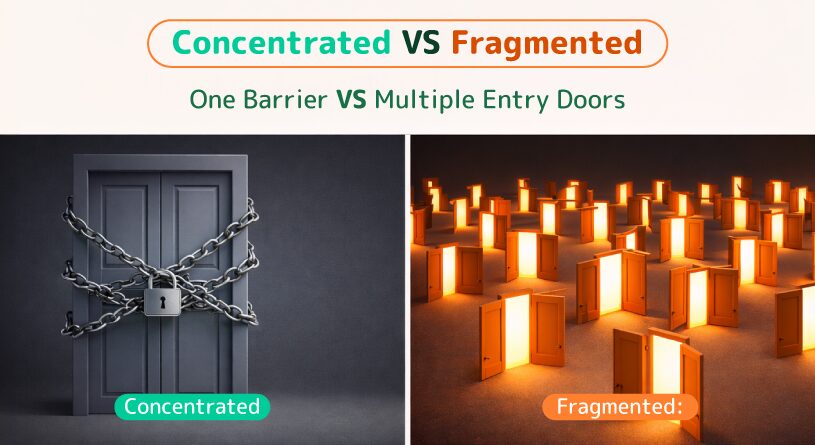
Talking about fragmented retail means recognizing that consumption is not concentrated in just a few dominant players. In the United States, thousands of small and mid-sized chains, regional retailers, independent stores, and specialty shops operate autonomously. Each responds to local dynamics, specific consumer profiles, and distinct needs.
This structure means the market does not function as a homogeneous block, but rather as a set of interconnected micro-markets. For brands, this implies there is not a single entry door, but multiple possible pathways. The common mistake is viewing fragmentation as unnecessary complexity, when in reality it is a competitive advantage for those who know how to interpret it.
Why Fragmentation Opens More Doors Than Barriers
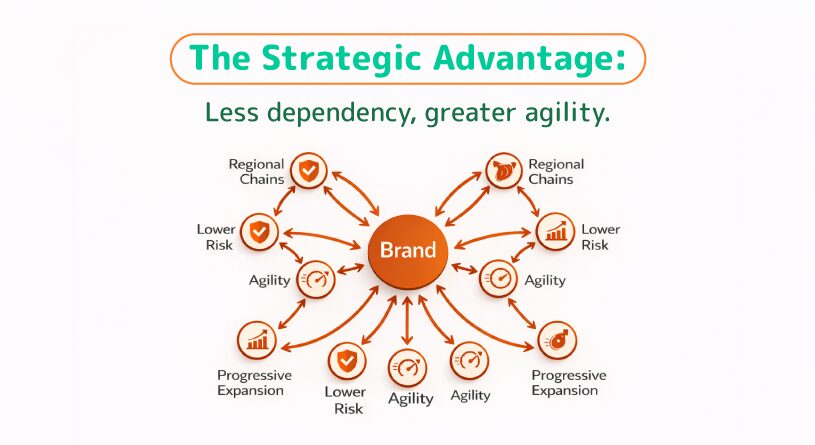
In a concentrated market, access often depends on meeting rigid conditions imposed by a few buyers. By contrast, fragmentation in U.S. retail reduces dependency on a single player and distributes negotiation power. Small and regional chains typically offer more agile onboarding processes, lower entry costs, and greater willingness to test new products.
Additionally, these structures allow for progressive expansion. Brands can select specific regions, adapt their value proposition to local contexts, and build presence step by step. This approach not only lowers risk but also enables the generation of consistent sales flow from early stages.
How to Leverage Fragmentation as a Growth Strategy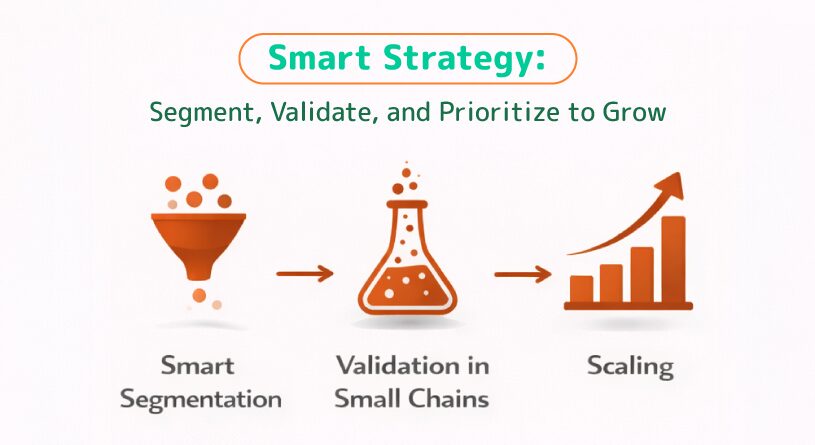
Leveraging fragmented retail requires method. It is not about spreading efforts without control, but about intelligent segmentation. Identifying which store types best fit the product, which regions show greater alignment with the value proposition, and which formats allow rapid validation is essential.
Brands that understand this logic typically prioritize small chains as the first stage, using these channels as testing and learning environments. Based on the results obtained — rotation, pricing, logistics, consumer acceptance — they refine their strategy before scaling toward larger agreements.
Fragmentation as a Commercial Laboratory
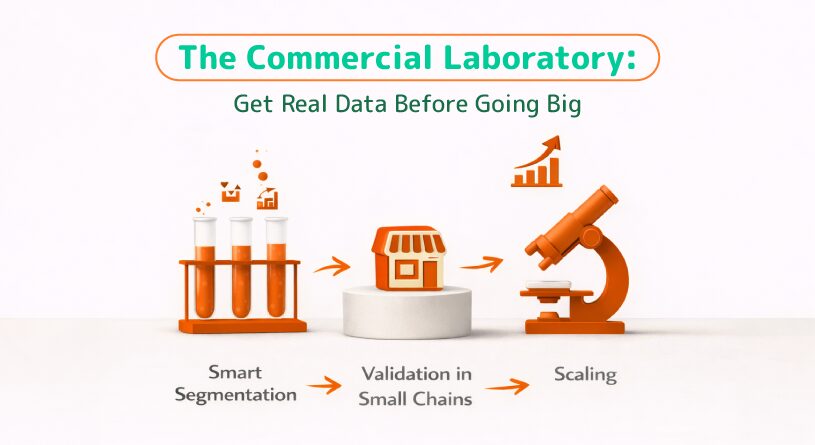
One of the greatest benefits of this model is that it turns the market into a real laboratory. Each point of sale provides valuable information that improves decision-making. Instead of betting everything on a single agreement, the brand builds cumulative knowledge that strengthens its long-term position.
This continuous learning is especially relevant for international brands, which often face cultural differences, consumption habits, and commercial expectations that differ from those of their home market.