

-

- No Comments
- February 25, 2026
How to Validate Your Product in the United States Before Scaling
Validation as the Foundation of International Growth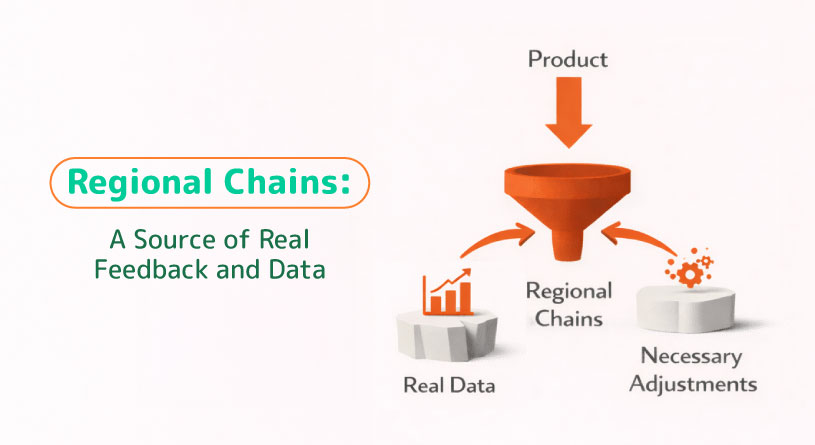
Validating a product in the United States means confirming, through real data, that consistent demand exists, that pricing is accepted by consumers, and that the distribution channel is viable. This process goes beyond superficial testing; it involves observing product rotation, consumer response, and identifying necessary adjustments to compete in a highly diverse and competitive environment.
Small and mid-sized chains play a crucial role at this stage. Their flexible structures allow brands to introduce products with lower initial investment and obtain direct market feedback. This early information is essential for making informed decisions before committing significant resources.
What Should Be Evaluated During Validation
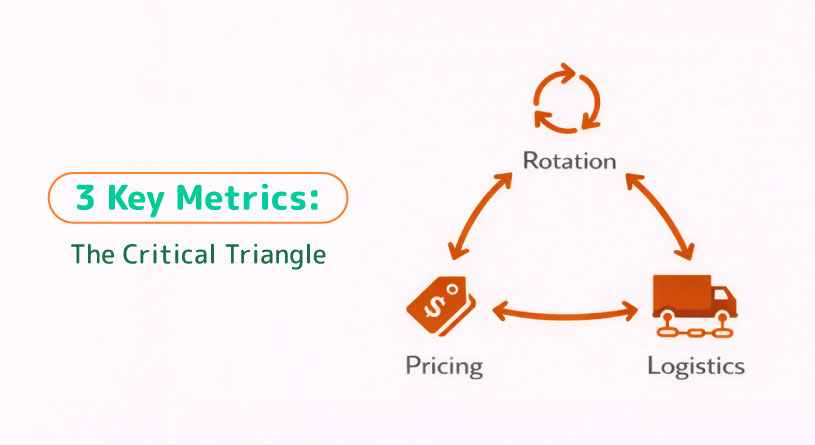
During validation, brands must focus on several critical factors. Product rotation indicates whether the value proposition resonates with consumers. Pricing reveals whether the product is competitive and sustainable within the channel. Logistics helps identify potential friction in timing, costs, or supply.
It is also important to evaluate brand perception at the point of sale. Elements such as packaging, visual communication, and shelf placement directly influence performance. Ignoring these aspects can lead to inaccurate conclusions about the product’s true potential.
Validation Is Not Improvisation

One of the greatest risks is confusing validation with experimentation without method. Validation requires clear objectives, defined metrics, and a sufficient analysis period. It is not about “trying your luck,” but about designing a controlled test that generates actionable insights.
Establishing success criteria, comparing results across different points of sale, and documenting findings transforms validation into a strategic tool. In this way, each test strengthens the next stage of growth.
The Impact of Well-Executed Validation

When validation is executed correctly, brands gain confidence to scale. The data obtained facilitates future negotiations by demonstrating real performance to distributors and larger chains. It also reduces internal uncertainty and aligns teams around a strategy based on facts rather than assumptions.
This approach also protects the brand. Scaling without validation often leads to late adjustments that affect reputation, commercial relationships, and overall profitability.